Saturday, June 18, 2011

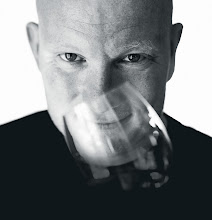
Pierre Seillan of Verité

WINEMAKER OF THE YEAR 2011
So many great winemakers, so few years – so I decided to name two skilled persons Winemaker of the Year every year. Pierre Seillan is the first one this year.

Pierre Seillan was born in Gascogne in France, and worked for some years at the family estate, before he in the late 1960s went to work as an exchange student in Temecula in the southern California. Back in France seven months later, he went to make wines from Cabernet Franc in the Loire Valley, followed by assignment at several estates in Bordeaux over the coming years.
In 1996 he met Jess Jackson, who asked him to come and work in California. Pierre Seillan wasn’t interested – he was too busy making wines in Bordeaux. Next year, Jess Jackson came back to Bordeaux, and asked him again. This time, Pierre accepted the invitation.

“Well, Jess asked me if I thought I could make a wine of equal quality as Château Petrus, and then I said, why not, but why don’t we try to make it even better”, Pierre recalls when we talk about the early years.

Together with Jackson’s vineyard team, Pierre planted the Jackson Park Estate to Merlot, and then started to make some wines under the Verité label in 1998.
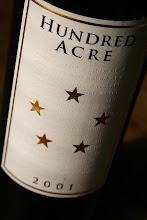
Verité, “the truth”, are alongside the Lokoya label, the most impressive wines under the huge Jackson Family Wines umbrella. The idea was to craft a trio of great wines inspired by the sub regions Pomerol, Pauillac and St Emilion of Bordeaux, and the challenge was to make them even better.

The first vintage was the difficult 1998 vintage, and although there were troubles to get the grapes fully ripe, Pierre managed to produce two remarkably fine wines in that year. These wines still holds together, on the nose they behave like fine clarets from Bordeaux, and they even taste pretty well today, although they start to dry out a bit.
To make these fine wines, Pierre gets to select some of the finest lots, of even rows, of vines in the best of the Jackson family’s vineyards in predominately Sonoma. The Merlot grapes are mostly sourced from the outstanding 44.50 hectare Jackson Park Vineyard, situated at 165-186 meters of altitude on gently rolling slopes in the mountain above Benett Valley in Sonoma. It was planted exclusively to Merlot of Clone 181 taken from Château Petrus in Pomerol. To Pierre, that clone was essential to plant to be able to “compete” with the wine from Château Petrus.

Another very important vineyard source is the Alexander Mountain Estate in the eastern part of Alexander Valley, close to the home of the Jackson family. It’s an amazing vineyard, a patchwork of almost 200 smaller vineyard blocks stretching from 210 to 720 meters of altitude, planted to various varieties (Verité uses mostly Cabernet Sauvignon and Merlot from here) in poor volcanic soils. Speaking about soils, Pierre Seillan just love the vide variation of soil types in Sonoma – which of course was one of the reasons for him to accept to work here with Jess Jackson.

“We have more different soils here than they have in total in France”, he says.

Pierre also buys grapes from Kellogg Estate at 150 to 280 meters altitude in poor volcanic soils in Knights Valley, where Cabernet Sauvignon and Merlot of exceptional quality is grown.

The idea behind Verité is not to produce wines of true terroir from each mountain vineyard, but to create blends of the highest quality, inspired but the blends of Bordeaux. Although I find these wines to be, or at least mature into something very Bordeaux like, there’s one distinctive difference; I find more structure and energy (that’s due to the mineral qualities of these soils) in the Verité wines than in the bordelaise ones.

Three wines are made. La Muse is the Pomerol in the lineup, based on 82-92 percent Merlot depending on the vintage, with the balance of Cabernet Franc and just a dash of Cabernet Sauvignon. La Joie is the Pauillac blend, built on 64-75 percent Cabernet Sauvignon and therefore a bit more structured, whereas the Le Désir is the Saint Emilion in the trio, a lovely wine where Merlot and Cabernet Franc make up around 80-85 percent of the blend, most often in relatively equal parts.
All wines are crafted in more or less the same way, vinified in small lots and then transferred into brand new French oak barrels to spend 14-16 months including the time for malolactic fermentation. They are all bottled without fining or filtration.

The day I came to Verité on my latest visit, Robert Parker was on his way in to taste all wines and vintages ever made at Verité, so I guess his highly interesting report will be published quite soon as well. I look forward to – I’ve tasted all this wines over the years, but not all at the same time. The following wines were tasted over a couple of weeks in April and May (all wines of the same vintage at the same time), in the addition of the 2001 vintage that I tasted a year ago.  

Pierre Seillan also makes the fine wines under the labels Anakota and Archipel, as well as wines in St Emilion and Tuscany.


Vintage  2007

2007 La Muse / 98-100 p
If the initial challenge was to make a wine as good as the one from Château Petrus, this may well have been what both the late Jess Jackson and his winemaker Pierre Seillan had in mind. This is a spectacular wine, already today (whereas the pomerols normally needs at least a decade before the start to show their true caliber). It’s a blend of approximately 90 percent Merlot, all from Jackson Park Vineyard in Bennett Valley, which Pierre Seillan holds as the best site on this planet for Merlot. Well, if not the best, it’s still amazing!
The wine was decanted an hour prior to the tasting, and by then the nose had opened up and offered a rich, ripe and seductive but yet extremely elegant nose with loads of dark berries, but also more complex nuances such as graphite, cacao and mineral. The oak is perfectly integrated, hence not noted in my book (except from the cacao notes). On the palate, it still is young and at first a bit closed, the tannins are firm and hold the fruit body back a bit, and also on the palate the oak is just like a whisper. Compared to the cabernet based wines, this hangs on for longer, and therefore it’s a bit more charming to enjoy already today than there are. However, I would love to retaste this wine in five or eight years, and it’s also then the great potential starts to show.
Drink it 2012-2032

2007 La Joie / 98-100 p
This is just an outstanding wine! It is dark purple and youthful, and it offers a big, intense, deeply concentrated yet so perfumed and elegant nose. On the nose I find cassis and sweet cherries, nuances of rose petals and violets, but also a lovely spiciness, and as all of the wines from Verité, the oak is totally absorbed by the fruit flavors. In many ways, it reminds me of some of the greatest Bordeaux wines when they were just released (1990s, 2000s, and even 2005s), but to be honest I find this wine more elegant and perfectly well polished. It took an hour of aeration before it started to open up, but then it started to show its true potential. I don’t how I managed to keep a quarter of this great wine in the bottle for another day – but I’m glad I did. Over the 24 hours in the opened bottle, it evolved into something even more seductive. The tannins, which already from the beginning were huge but fine, had become a bit softer and now felt silky, but the perfumes and the fruit body was still the same. Without a doubt, this is one of the most profound young wines from Verité I have tasted … yet!
It’s a perfect as I can which for, but still I guess it will evolve into something even more seductive, complex and perfect over the coming years.
Drink it 2012-2032

2007 Le Désir / 97-98 p
There’s really something desirable over this wine. Again, tasted direct from the bottle it was at first a bit shy, very elegant, but a bit closed. But giving it some air, already after 30 minutes in the glass it started to open up and show more of its depths and concentration. At first the nose was much finer tuned and almost shy, but with the help of some air, the flavors turned deeper, darker, and more intense. Also here, Pierre Seillan shows what a master of oak he is – it’s just a shadow of the oak, if even that. I’d rather say the oak flavor is so fine, it’s more likely you wouldn’t write oak in your tasting note. Instead you’ll find a fine blueberry fruit, the fragrance of red berries, and even some grassiness. Om the palate it’s elegant in the way a Francophile would love, but with more intensity, and (pardon my French) a taste, body, intensity and texture most vignerons in Bordeaux could only dream of. It’s really a first growth of Sonoma!
Also with this wine, I kept the bottle a day, to see how well the wine performed after 24 hours of decanting. And it kept, and it evolved into even greater complexity. It’s really a great wine!
Drink it 2012-2030


Vintage  2006

2006 La Muse / 94-95 p
If the intention was to impress on, and convince those who have their doubts about, 1) Merlot is not a great grape variety, 2) Merlot from California is even worse, and 3) no one on earth can make better wines of Merlot the those of Pomerol, this wine would be one of my California choices in that competition. With 14.1 percent of alcohol, an impressively deep and dark fruit flavor that lingers for a minute in a fine balance with tannins and acidity, and as with all the other wines in the Verité family an almost hidden oak character, it’s actually quite French in style.  I really enjoy the energy in this wine, and although it takes an hour in the decanter for the finest balance to appear, it’s very elegant already from the bottle. The overall balance is one of the greatest assets in this gorgeous wine. As all Verité wines it should be decanted a good hour prior to serving it, if drunk young. But the best you can do, is to let it rest for some years in the cellars.
Drink it 2012-2026

2006 La Joie / 95-97 p
At first this wine showed a great concentration and intensity, yet a very fine tuned elegance with notes of graphite and cedar tree in addition to the perfectly ripe but not overripe and sweetish blueberry and cassis fruit. It took a while for wine to open up – actually, even the day after it stayed more or less the same in the opened bottle – but one thing that impressed on me, was the elegance. It’s really a beauty!
The structure is serious, tannins are firm but ripe and therefore on the elegant side. Even though the wine offers a ripe and to a certain extent sweet blueberry, cassis and cherry fruit, the tannins and the fresh acidity give the wine a very classic and complex taste, with a long and dry finish. There was a small bitter taste (from the oak?) during the first hours, but the air polished it and then the texture was more refined. Given the fact this wine kept so extremely well in the open bottle, there’s no hurry to drink it. It will keep!
Drink it 2012-2030

2006 Le Désir / 96-97 p
This vintage is almost as impressive as the 2007, slightly earthy with notes of chocolate (rather cacao) in combination with the ripe and somehow sweetish dark fruit body, with notes of cherries, blackberries and blueberries. Still it’s very elegant, even Bordeaux like, but young and at this stage more marked by fruit than what normally would be described as complexity. Nevertheless, so much finesse and elegance has been captured in this wine, it’ll just take a few more years of bottle age before we write “complexity” and all Bordeauxish adjectives in our tasting notes. More than the 2007 version, this gained from the one day decanting I gave the wine. On the palate, it tastes fresher and a bit more red fruit scented than expected, the acidity is lively and the tannins are young and quite firm, but mature. Still I’d give this wine at least one year more in the bottle. I guess it would keep as well as the 2007 version, but I doubt it will be the better one after ten years.
Drink it 2012-2030


Vintage  2004

2004 La Muse / 95 p
This wine was composed of 86 percent Merlot, seven percent of Cabernet Franc and the rest Cabernet Sauvignon and Malbec. Although the vintage was unusual warm and the fruit is rich and dark scented, there are no overripe flavors at all, well, besides the ripe, almost sweetish blueberry like Merlot flavors that is. Even when I tasted this wine three years ago, it was silky and well balanced, and with some more years of bottle age, the fine minerality is now more present, which of course is a great asset for the overall finesse. Also, a slight note of chocolate (from the oak, I guess) and sous-bois has developed over the years. It’s a great example from a vintage that overall gave ripe, delicious but not always excellent and perfectly balanced wines. I recommend an hour in the decanter before serving it, and a serving temperature of around 18 degrees to enhance the finer and fresher notes in the wine.
Drink it 2011-2022

2004 La Joie / 95-96 p
In this wine, Pierre Seillan included some grapes that normally go into the Anakota wines, and the final blend was 66 percent of Cabernet Sauvignon, 19 percent of Merlot, ten of Cabernet Franc and the rest of Petit Verdot. It’s as good as the Le Désir, and again it’s not obvious (if tasted blind) that this wine come from a very warm vintage. On the nose, it’s still rich and intense, but with its higher proportion of Cabernet Sauvignon, the tannic structure is much more firm compared to the other wines, so it behaves a bit younger and a bit dryer. It also offers slightly sweetish dark berry aromas, both blueberries and cassis, also a fine note of cedar tree, which most likely comes from the oak. Compared to my tasting notes some years ago, the aftertaste seems to be longer and more refined, I guess that’s due to the more polished tannins today. Still I’d like to decant this wine and serve it in a large Bordeaux glass, at 18 degrees Celsius for the finest balance, and to rich dish of beef of venison. To integrated the tannins a bit more, and make the wine even more silky and seductive, I would add a component with a fat or creamy texture – that’s the easiest way to please you palate when you serve a young and very serious Cabernet Sauvignon wine.
Drink it 2011-2024

2004 Le Désir / 96 p
This is a lovely St Emilion interpretation!  It’s dense, dark fruit scented and concentrated, yet so elegant with a phenomenal complexity for being a 2004, and there’s enough structure of tannins to match the slightly richer fruit than average here at Verité. When I tasted it three years ago, it was a bit closed, but now it has opened up and reveals fine notes of ink, cedar and chocolate, but of these notes are finely integrated as small shadows in the purely fruity and almost silky body, that lingers for more than a minute.
This vintage was composed of 49 percent of Merlot, 47 percent of Cabernet Franc and just a few percent of Cabernet Sauvignon. It is definitely one of the finest Bordeaux inspired wines of the 2004 vintage from California’s north coast, Sonoma County and Napa Valley included. Since it continued to open up in the glass when I tasted it, I guess it’s a good idea to decant it a good hour before you serve it, at least if you’ll be drinking it in the coming few years. 
Drink it 2011-2024


Vintage  2001

2001 La Muse / 96 p
Please take into consideration that the lineup of 2001s were tasted a year ago. Then this wine was dark, still youthful with fully ripe, dense and concentrated fruit flavor, still young with a good grip from the tannins which made up a very fine structure together with a lively acidity and minerality. The structure is still there, and still as magnificent as before. As in all vintages of La Muse, there’s a great balance, where the concentrated fruit never gets too sweet, it just makes you believe there’s some sweetness. This wine can really rival the very finest wines of Pomerol.
It should be decanted, not only to remove the fine sediment that may be there, rather more for the aeration. I’d serve this wine to a dish (chicken, red meat or even white fish) with butter fried mushrooms or truffle – that’s the perfect flavor match to a great Merlot based wine in its early stage of maturity.
Drink it 2011-2021

2001 La Joie / 97 p
Of the three 2001s, this always was and still is the most structured, it was a closed a few years ago, but is now a more open, yet youthful with layers of intense primary fruit flavors and it is extremely elegant and complex. Oak is not really part of the wines from Verité, but there’s a fine note of walnuts and cedar tree that I find very attractive. On the palate, it’s medium to full bodied, still young and relatively firm, tannins are important but ripe and therefore rather velvet like, and in the very long finish, the fresh acidity is perfectly well in balance with the fruit and the tickling mineral notes. Seamless would be a good word to describe the texture of this great wine – the finest (to my knowledge) of Cabernet Sauvignon based wines of Sonoma County this vintage.
Give it an hour in the decanter before you enjoy it. It’s still young, and it will open up with some air.
Drink it 2011-2025

2001 Le Désir / 97 p
Again, another great and extremely seductive effort of the Le Désir – one of the most complex Bordeaux styled wines in Sonoma County. Color in this ten year old is still dark and youthful with a touch of purple. The nose is stunning, rich and loaded with dark berry fruit, a bit spicy with fine tuned nuances of cedar tree, almonds and walnuts, also some tobacco which indicates a certain level of maturity, still the wine is young and full of primary fruit flavors. It’s very elegant, although medium plus bodied with good intensity and concentration, still so elegant and well balanced. In the long, lingering finish, you’ll find some tickling minerality, and the acidity gives a great energy to it. 
As for the other two 2001s, decanting is recommended, also to serve it at around 18 degrees Celsius in a large Bordeaux glass.
Drink it 2011-2023

Vintage  1998

1998 Verité / 90 p
In this inaugural vintage, this wine was only called Verité, but later it would become La Muse. It was made of 90 percent Merlot and ten percent Cabernet Sauvignon. As for the 1998 La Joie, it’s a lovely wine with very much Bordeaux like aromas and flavors, and the right words to use as descriptors would be “complex”, “noble maturity”, “forest floor” and “truffle”, but overall there’s a great balance, a fine structure with polished but still vital tannins. When I tasted the wines two years ago, the aftertaste was sublime and long, today it have started to decline and dry out a bit – but what’s there, is very fine. Still I wouldn’t keep the wine much longer – it’s good as it is right now.
In my first tasting notes of this wine, I gave it 92-93 points.
Drink it 2011-2012

1998 Verité La Joie / 91 p
Wow, isn’t this fantastic! When every Cabernet Sauvignon winemaker in California complained over the wet and cool vintage, Pierre Seillan was quite happy about the climate in Sonoma, although he said it was a bit of a difficult vintage. I have tasted this wine, made of 70 percent Cabernet Sauvignon and 30 percent Merlot, several times over the years, and it’s now fully mature and very elegant with that kind of magic secondary aromas that only time will create. Any good taster, American or French, would put this wine in Bordeaux in a blind tasting.
Color is still surprisingly dark, but the tawny rim reveals the maturity of the wine. On the nose, ultra complex notes of cigars, cedar tree, sous-bois and dried mushrooms tell you the same story. On the palate, its much lighter (due to its age, and the weaker vintage) compared to the younger vintages, but there’s enough complexity and structure to make it very drinkable. It shouldn’t be decanted too long in advance, actually I’d rather decant it just before serving it, just to remove the fine sediment.
In my notes from 2008, I gave the wine 92-93 points.
Drink it 2011-2014

Saturday, June 11, 2011

2007 and 2006 from Lokoya


In 1994 Jess Jackson created the exclusive label Lokoya, named after a word Indians who lived up in the Mayacamas ranges used. The idea was to craft a range of great cabernets from different appellations within the Napa Valley. In that mission, the team Jess, his winemakers and wine growers were successful, and for many years I have looked (and tasted) at the Lokoya wines as some of the finest and most impressive efforts in Napa Valley.
The Lokoya winery doesn't own any vineyards, all grapes are sourced from the very best vineyards, lots and even rows that Jess Jackson has purchased in Napa Valley. As for Pierre Seillan at Verité in Sonoma, the winemaker at Lokoya, Chris Carpenter, gets to chose grapes first of all winemakers, hence the high quality of each vintage.

There are now four different bottling of Lokoya, one from each of the prestigious mountain appellations in Napa Valley, on the western side Diamond Mountain and Spring Mountain in the north and Mount Veeder (the best blocks in the great Veeder Peak Vineyard) in the south, and on the eastern side on from Howell Mountain (predominately the Keyes Vineyard). 
All four wines are crafted in the same way, one hundred percent Cabernet Sauvignon (24-36 hectoliter per hectare), fermented with its own yeast in small open top fermenters of steel after four to five days of cold soak. The wine is matured in new French oak barrels for 18-22 months depending on each wine and the vintage, and there’s no fining or filtration before bottling.
Production is small, not more than 2 000 cases per year in total in a good vintage. The wines are only sold through mailing list and at the Cardinale Winery in Oakville, where the wines are made.
The sad thing is that prices took a giant leap up by the 2007 vintage, to 400 dollar per bottle. In one way I understand it – quality is outstanding, all four wines are among the very finest produced in their respective appellation – and production is smaller than the demand for the wines. I guess we have to accept the rising prices, there are now more and more wines getting closer to the magic 500 dollar limit, where (so far) only Harlan Estate and even more Screaming Eagle have touched or surpassed.


Vintage  2007

2007 Cabernet Sauvignon Diamond Mountain / 95-96 p
Of all wines from Lokoya, this is always the most approachable as young. It offers a quite open, intense and fruit driven nose with lovely notes of cherries, maraschino, cassis and almonds, as well as a slight touch of the oak vanilla. If the other bottling of Lokoya is firm and tannic at this young stage, this one is more polished, as if the tannins were almost totally absorbed by the medium to full bodied and rich taste. There are also fine notes of mineral, almost towards a slight saltiness, and the acidity also help to give freshness to the taste. The wine was decanted a good hour before I tasted it, which was a good thing as the taste still is a bit closed, especially in the finish.
Drink it 2011-2027

2007 Cabernet Sauvignon Spring Mountain / 96-97 p
Compared to the Diamond Mountain, the Spring Mountain bottling offers a sweeter and more intense flavor of cassis, but there’s also more aromas of stony minerality and rocks, which (at least for me) gives the wine a slightly more interesting complexity. In that sense, it’s also more distinct. On the palate, it tastes a bit younger due to the deeper fruit, higher density and more marked tannic structure. Again, the oak is extremely well absorbed by the fruit – the winemaking skill of Chris Carpenter is well worth mention, there’s 100 percent new French oak used also in this wine. The aftertaste is fine, but a bit closed at this young stage. A couple of years of cellaring are needed to see the full potential. 
Drink it 2013-2032

2007 Cabernet Sauvignon Howell Mountain / 98 p
Howell Mountain at its best – this is a manifest in mountain grown fruit. The color is dark purple, rather opaque to be honest, and even though the wine is very young and in no way offers the full range of flavors it will do in the coming years, the nose is just gorgeous in its full power, dark ripe but yet young fruit – mostly dark cherries and cassis, but there are also the typical fragrance of crushed rocks (I just love that) to reveal its origin – the poor volcanic soils of Howell Mountain. The taste is rich, packed with dark ripe fruit, yet so closed and restrained due to its marked tannic and mineral structure. Having had several vintages of the Howell Mountain from Lokoya over the past ten years, I know time will tell you another story than this tough one. Be patient, keep it a few more years, decant it at least one hour before you drink it, and enjoy it with a rich dish to soften the tannins even more. Already today the aftertaste lingers for a minute – just imagine what it will do in some years from now when the tannins will soften. This is the finest vintage of the Howell Mountain from Lokoya I have tasted!
Drink it 2014-2032

2007 Cabernet Sauvignon Mount Veeder / 98-99 p
This wine is normally the most concentrated and well structured of them all, and so it is also in this vintage. Color is as dark and opaque as in the precious wines, but the nose is a bit more dense and concentrated, however more intense and aromatic. I find sweet cassis as well as some lighter red fragrances, walnuts, a touch of the oak vanilla (but no toasted aromas), the same fine stoniness and minerality as in the Howell Mountain bottling, and it’s just impressive how concentrated this wine is without being too much or even sweetish. On the palate, it’s huge, full bodied and concentrated with a dense and ripe but in no way sweet fruit, and in although it’s young and firm, the aftertaste lingers for more than a minute! Add the salty mineral saltiness to all that, and you’ll understand how complex this great wine is. I’d give it a couple of more years more to polish the tannins a bit more, and it is recommended to decant it at least an hour prior to serving it.
Drink it 2014-2032

Vintage  2006

2006 Cabernet Sauvignon Diamond Mountain / 95 p
After one hour in the decanter, the perfumes were still very intense, rich and almost sweetish with notes of ink, vanilla and toffee, but overall dark, ripe and absolutely pure berry fruit. During the tasting, the wine evolved slowly, and even one day later, it showed just beautiful in the opened bottle. As always, this is the most elegant and ready to drink bottling from Lokoya, although there is – as most of the time from mountain vineyards – a great structure of tannins and the lovely and almost salty minerality I enjoy so much. On the palate, it’s rich and concentrated but not at all sweet or plump. Instead it’s delicious, very elegant and a bit closed although there’s enough body and fruit to give a silky texture. The oak is pretty well integrated, just a dash of vanilla and some tannins shows on the palate. It’s a very fine wine, still young, but very enjoyable already today – especially after several hours of decanting.
Drink it 2012-2026

2006 Cabernet Sauvignon Howell Mountain / 96-97 p
One hundred percent of Cabernet Sauvignon from the Keyes Vineyard on Howell Mountain, and in the hands of winemaker Chris Carpenter, those grapes turned out to be just fantastic in the bottle. This is dark, well, actually it’s opaque, and youthful in its ink purple color. As expected the concentrated dark fruit is ripe but not sweet, since it’s balanced with loads of tannins and stony minerality – oh, yes, the Howell Mountain volcanic soil comes with the bottle. Surprisingly it’s not rustic or harsh at all, on the contrary I wrote “delicious” in my tasting notes, that’s because the intensity of the slightly sweetish, cherry like ripe and very delicious fruit. This dark fruit is joined by notes of graphite, an almost granite like dustiness, but to my surprise very little oak. Almost a third of the wine was left in the bottle until the day after, and when tasted, it was absolutely stunning. Even day two after the tasting, the wine held together in a way that was amazing. To me, that’s the best sign of a wine that will evolve slowly over many years, into something even more fantastic. A recommendation though, is to decant this wine at least 2-3 hours before serving it.
Drink it 2014-2030

2006 Cabernet Sauvignon Mount Veeder / 96-98 p
Normally the most impressive bottling from Lokoya is the one from Mount Veeder, and in this vintage there’s no change from that “rule”. When I poured it, it was a bit closed, still almost opaque and densely concentration, but I felt it didn’t show all its glory and power. Therefore I let the wine sit in the decanter for almost two hours before I started to taste and judge the wine properly. Even if there was a slight spiciness from the oak, it was extremely well integrated in the dense fruit, a detail that reveals the skill of the winemaker. Of the three 2006s of Lokoya, this is the most concentrated, but also the most impressive – not for its power, but for its overall fantastic balance. The fruit flavors are best described as cassis (with just a hint of aromatic greenness) and sour dark cherries, especially after several hours in the decanter. For sure there’s a lot of concentration here, still the minerality breaks through the fruit and adds a great complexity. Then there’s also a very fine tuned of chocolate (from the oak), but I wouldn’t call it oaky. As for the other Lokoya wines, I kept the bottle for one, and even two days, just to see how well it kept. Again, that’s a very good sign!
Drink it 2014-2030

Sunday, June 5, 2011

2006 Ritchie Vineyard Chardonnay from Aubert Wines

Mark Aubert has for a long time been one of the most celebrated consultant winemakers of Napa Valley. Today his consultant days seems to be over, although he still is part of the blending sessions at Futo Wines, a relatively new and highly interesting winery next to Harlan Estate and Bond Wines in Oakville.
Earlier this year, he moved the production from the custom crush facility at Laird Family Vineyards to his own winery in Calistoga. Most winemakers I have talked to, says that working in their own wineries give them a chance to focus more on every small details in the production, therefore make better wines. If that’s what’s going to happen for Mark and Teresa Aubert, then I really look forward to the 2011 vintage from them. Their chardonnays, which to me are their best wines, are already among the finest in the category of rich chardonnays in California.

2006 Ritchie Vineyard Chardonnay / 93 p
Grapes to this wine are sourced from the well known Ritchie Vineyard in the cooler part of Russian River that normally, as in this case, is bottled with the Sonoma Coast appellation. This is one of the oldest vineyards of Chardonnay in Sonoma, and it’s planted with the clones Old Wente, Robert Young and Chardonnay Musqué. Color is golden straw, quite deep and slightly cloudy since the wine is bottled unfiltered. At first, when poured directly from the bottle, the nose was very intense and showed an almost sweetish fruitiness with notes of pineapple and sweet lemon, but there’s also a spicy oak note reminiscent of all spice and cloves. To some consumers, this style of chardonnay is a bit too much, and I can understand that – but tasting the same wine after one, or ever tree hours of decanting, is a bit more elegant. (Sometimes I find this kind of chardonnays, when tasted at the same age, tastes better and more complex the day after!) When the sweeter fruit notes have started to mellow, a more complex and earthy, even stony an “almost but not really burgundian” quality evolves.
On the palate, the same mellowing effect is to be expected from decanting. At first, it is full bodied, rich and ripe with a silky texture but lively acidity that lingers for almost a minute, but with air, it’s more complex and elegant. The texture and finish is great, the only negative thing is the slightly too warm alcohol. Serving it with food, which is recommended, the alcohol warmth will be integrated and absorbed by creamy textures and some acidity. I’d like to serve it at around 12 degrees.
Drink it 2011-2014

Tuesday, May 31, 2011

More 2007 cabernets from Nickel & Nickel

Earlier this spring I tasted a quartet of 2007s from Nickel & Nickel (the old red barn above), and when I visited the estate some weeks ago, I retasted a few of them and four more. It seems like the 2007 vintage suited Nickel & Nickel very well, and their ambition to show the diversity of Napa Valley shows clearly when one lines up the wines from various vineyard the samt vintage.


2007 Cabernet Sauvignon CC Ranch / 91 p
The CC Ranch sits on a gentle rolling knoll next to Silverado Trail and Oakville Crossroads, not far away from the Frog’s Leap Winery. Of the 46.50 hectares, Nickel & Nickel farms 6.10 hectares, all planted to Cabernet Sauvignon in a weathered gravelly soil. The resulting wine is elegant with a bit more reddish fruitiness with nuances towards sweet cherries, but also darker notes like black currants. At this young stage, there’s also a slightly sweetish vanilla note from the oak, and a roasted touch as well. On the palate, it’s the overall balance that’s impressive, tannins are fine and well integrated in the quite intense fruit forward body, and compared to most of the Nickel & Nickel bottling, this one is most approachable already when young. However, it will develop with age, and it benefits from decanting.
Drink it 2012-2022

2007 Cabernet Sauvignon Regusci Vineyard / 90 p
I have had the wines from Regusci Estate on several occasion, without ever been impressed by them. They seem to be a bit rustic, earthy and sweetish at the same time, with little distinction. I guess it’s due to their winemaking – their vineyards shouldn’t be too bad, it’s close to well known wineries such as Shafer Vineyards and Stag’s Leap Wine Cellars – who makes some very fine wines. Also, the Regusci vineyard team also farms for other wineries, among them the Darioush further south on Silverado Trail, so I guess they are well respected.
This was the first time I tasted the Regusci bottling from Nickel & Nickel, and I felt some relations to my impressions of the estate bottling, yet so much better. However, it doesn’t have the same purity and aromatics as the rest of the line up from Nickel & Nickel, although the equally red and black fruit is quite fresh, but with some air, a lovely note of raspberries was revealed. On the palate, it’s quite silky, fresh and elegant, with fine tannins, some cedar notes and earthy qualities, and although it’s a bit lighter than the rest of the wines, it lingers for a while. It quite good, absolutely drinkable, but I don’t think it will evolve as good as the other wines in the lineup.
Drink it 2011-2021

2007 Cabernet Sauvignon Vogt Vineyard / 93 p
If you like firm, classic wines with serious structure, this is it! Over the years, I have always been a fan of the selection from Vogt Vineyard, a 5.65 hectare vineyard at 480-550 meters above sea level on top of Howell Mountain. In the poor, well drained and stony volcanic soil, the vines suffers and gives only low yields of small bunches with small, thick skinned grapes, which produces a dark wine with huge structure and intense fruit flavors. Of all wines, this is the wine that needs more aeration, at least 30 minutes in the decanter is recommended.
The nose is intense, deeply concentrated, yet a bit shy – it offers just the most elegant of its dense black fruit qualities, and you can tell they are born in a poor soil – there’s a super complex aroma of something reminiscent of gravelly and volcanic dust. I love that part of it. On the palate, you’ll get the first sweet kiss of the immensely concentrated fruit, but there’s no real sweetness whatsoever – it’s just an impression due to the fact the grapes were ripe, small and full of flavors when harvested. A second later, the tannins and lively minerality takes over, and that’s what together with the fruit aromas lingers for a minute or so.
Even though it’s not charming at all, I find this style very appealing. Give the wine some more years, and it will taste more elegant, as the tannins slowly start to polymerize and soften.
Drink it 2014-2025
2007 Cabernet Sauvignon Witz End Vineyard / 92-93 p
Since the owners of the vineyard have started to make their own wine, this was the last vintage from Nickel & Nickel of this wine. Sadly, I have to say – this Rutherford wine is a classic styled wine, dark fruit scented with notes of blackberries, cassis, complex nuances of cedar tree, medium bodied with a very fine tannic structure, some mineral notes, a good towards lively acidity and a very complex, long and elegant aftertaste. It’s still young and a bit closed, but I noticed that it opened up in a very positive way during the tasting, to show a seductive note of wild raspberries to complement the darker berries first noted. As in all wines from Nickel & Nickel, the oak is very well integrated, and even though the wine is still very young, tannins are firm but perfectly ripe, therefore in full balance. It’s in all aspects a textbook Napa Valley wine, that show just how well concentration, finesse and terroir makes a good match here in the valley.
The vineyard itself is 2.25 hectares, located on a gentle slope with well drained gravelly clay soil in the southwestern end of Rutherford. Dirk Hampson told me once the grapes from this vineyard are very small, but with a great intense. Given the fact the vines were planted in 2001, it’s an impressive wine!
Drink it 2012-2027

Friday, May 27, 2011

The Maiden of Harlan Estate 2002 and 2001

The Maiden is more of a little sister of Harlan Estate, than a second label. There’s nothing about this estate at all – every sincle barrel that is produced from the estate fruit is made with the same ambition, and the same care. All grapes are harvested with the intention to make the cut into the final cut. Fermentation is carries out in stainless steel tanks wooden fermenters and oak barrels, before the wine is racked into brand new French oak barrels for malolactic fermentation and slow maturation. After twelve months of ageing, Bill Harlan and his team of Bob Levy, Paul Roberts, Don Weaver and consultant Michel Rollad, goes through all the barrels to make the strictest selection to select the barrels that offers the typical Harlanesque style for the Harlan Estate bottling.

Wines with more of less the same characteristic but not the same intesisy and length, goes since the inaugural vintage 1995 into this little sister bottling, The Maiden. This wine is also very good, indeed, it’s very muich like a baby Harlan Estate – I’d often describe it as 75 percent of the style and quality to 25 percent of the price. In other words, it’s the best deal!

Whatever there’s left in the barrel cellar – and believe me, the selection is strict, so there’s a lot – is sold anonymous in bulk, to end up in blends somewhere without sanyone knowing where.

2002 The Maiden / 94 p
If 2001 vintage combined a relatively cool growing season with a few heat spikes, the 2002 vintage was more even, but overall a bit warmer. This can be tasted in the wine, which is a bit darker, more concentrated, riper and fruit driven than the 2001. Although there’s abundant of ripe cherry and cassis fruit flavors, more density and fuller body, there’s also a youthful and quite firm structure of tannins and mineral notes to make the wine fabulously well balanced. It’s a bit closer to its bigger sibling thanks to the concentration, silkiness, length and intensity, but then the 2002 Harlan Estate is also an even more intense and impressive wine. Taken the price into consideration, this is an outstanding wine that may well be compared to many of the much higher priced so called cult wines of Napa Valley, and it’s just a good as the best of them. During the hour I enjoyed this wine (and poured it again, and again from the bottle), it showd more and more the more I let it breathe, so decanting is essential to get to taste all flavors there is.
Drink it 2011-2027

2001 The Maiden / 93-94 p
I was a bit surprised how young and still purple this wine is – also that it still carries most of its primary fruit aromas. The nose is open, expressive and still intense with lovely aromas of black berries and cassis as well as more complex nuances of ink and stony minerality so typical for the wines of Harlan Estate. As with it bigger sister, the oak flavors a beaulitfully well integrated. Compared with the 2001 Harlan Estate, this wine is a bit more open, and – to be honest – at the moment also a bit more elegant due to it’s a litte bit less concentrad body. On the palate, it’s as youthful as on the nose, still firmly structured with a good amount of tannins, acidity and mineral notes, which hold the ripe, pure and fresh berry fruit back a bit. Its truly a great effort, a wine with lovely personality and complexity, and it will continue to age in a fantastic way more than a decande from now. Drinking it today, I’d decant it at least half an hour before I serve it.
Drink it 2011-2026

Monday, May 23, 2011

2007, the new release of Harlan Estate

There’s no need to repeat the background of this magnificent wine estate, since I recently rewieved all vintages from 1992 to 2006 on this blog. On my latest visit at the estate, I retated the 2006 vintage, and tasted the 2007 vintage for the first time. It has been sold through the mailing list, so members should already have their bottles.

2007 Harlan Estate / 98-100 p
The wine wasn’t decanted in advance, so I had the opportunity to follow the evolution of the wine during almost an hour, while chatting with manager Don Weaver and Paul Roberts (manager of Bond Estates). And I really enjoyed this wine - it's another great or even perfect wine from Harlan Estate. The color is dark purple, almost opaque, and the nose was already open and intensely fruit driven when poured from the decanter almost directly after decanting it. Although it’s so young and youthful, it already show some of the typical notes of Harlan Estate, the ripe and extremely pure dark fruit flavors with its stony mineral and graphite qualities, a touch of grassiness and a slitghtly sweetish note of the brand new and expesive oak barrels.
Compared to the 2006 vintage, this is a bit richer, and even though it’s young and firm, there’s enough glycerol and mountfeel to balance the tannins. What I really love about Harlan Estate in great vintages such as this, is the impeccable balance, the purity, the energy, the length, and the layers of flavors that linger for at least a minute or even two. Given its youth, it was surprisingly easy to enjoy already today, even though I find it to be a bit sad to drink it over the coming years – the true magic of Harlan is rarely expressed before the wine has turned ten years, or so. This is another modern classic of Harlan Estate, and it may well be as profound as the 2001, 2002 and 2005 within just a few more years of bottle age.
Drink it 2012-2032

Thursday, May 19, 2011

2008 and 2007 from Futo Wines


This is an impressive estate!

Many years ago, I bought the wines of Oakford Vineyards. At that time I didn’t know exactly where it was, but friends in the valley told me it was the neighbor of Harlan Estate and that the wines were made by Heidi Peterson Barret. For me, that was just the right information to make me buy the wines. And I did.

They were good, sometimes not (like 2000), but sometime immensely impressive (especially the 2001 vintage, which ironically enough was the last one). I tried to call them to see them, to learn more. Nothing happened, no replies, never. On my regular visits at their neighbor vineyards Bond Estates and Harlan Estate, I passed by their gate that said “Oakford Vineyard – not open to public”, so I gave up.

Well, I didn’t. I continued, and finally a certain Joshua Lowell answered my calls, and told me the estate had been sold. Okay, “wait and see”, I thought.

And I did. On May 12, I did my first visit at the estate. And it’s so easy to summarize it: “WOW!”

Texan business man Tom Futo is the new owner – hence the new name Futo Wines. He bought the property in 2002. Immediately he started to replant the vineyards, and – which is extremely important it you should be able to make a world class wine – build a winery. In California, there’s a trend for winemaker to rent space in so called custom crush wineries, but that’s not the final solution. Numbers of winemakers have told me over the years all the problems involved with that, such as the pump isn’t available until tomorrow, you can only use the tank for 12 days (so no cold soak, fermentation and post maceration – please choose either one of that), and limited space for again. The first vintages from 2004 (not sold until quite recently, because it due to its richness didn’t fit in the program, until clients more or less asked for it), until 2007 were made at Laird Family Winery, on of the largest custom crush facilities in Napa Valley. The choice was fully natural – the first winemaker was Mark Aubert, who made his own wines down there.

Since 2008 the winemaker is the young and extremely talented Jason Exposto. So why him? Why didn’t owner Tom and manager Joshua opt for one of the true stars in the valley? Why didn’t they hold on to the heroic Mark Aubert, or hire Andy Erickson, Philippe Melka or Heidi Peterson Barrett (again)? Well, after meeting the young Jason, I know!

Why opt for what is already known as rthe best, when you can surprise with the next generation of superstar winemakers?

Not that Jason is an untested winemaker – his track record is quite impressive. After working in New Zealand and Western Australia, he moved to California where he worked with superstars David Abreu and St-Emilion winemaker Stépahne Derenoncourt (an exceptional vigneron, modernist and hero) in is efforts in Napa Valley, so there’s nothing rookie or interesting about him. He may be young, but he knows for sure what has to be done.

The Futo estate covers only 5.25 hectares of vines, all planted to Bordeaux varietals, but spread out over 24 vineyard lots stretching over 800 meters from north to south on the east facing slopes of Mayacamas Range, touching Harlan Estate (next to) and Stelling Vineyard and the even more famous Martha’s Vineyard below.


2008 Futo / 96 p
This is a blend of 70 percent Cabernet Sauvignon and 30 percent Cabernet Franc, a grape that really thrives in its high, sunny and well exposed lot high up on the mountain. After a rigorous sorting, the grapes are fully destemmed and the juice is then fermented in stainless steel tanks of four tons, thereafter transferred into mostly brand new French oak barrels from the cooper Taransaud (“They are the best, and the most consistent in quality”, Joshua says), among them a quite impressive amount of the ultra premium barrels T5, for which the oak staves have been air dried for at least five years. In these barrels, the wine may rest for somewhere between 18 and 20 months.
Color is purple and dark, almost opaque. Joshua decanted the wine almost two hours before I came, which has to be taken into consideration (that was certainly a smart move), so it had started (not more than that) to open up a bit. Already 15 centimeters above the glass, the beauty tried to seduce me, the aroma was loads with dark berries, a touch of vanilla and sweetness from the oak, but also more elegant nuances of graphite and cedar tree. I was surprised how Bordeaux like (vintages 2000, 2003 and 2005 in Bordeaux that is) this wine was.
On the palate its medium to full bodied, in no way too much or too rich, there’s too much sophistication in the construction of true flavors in this wine for that. Slowly it opens, little by little, to reveal its true glory, dark and densely concentrated fruit, mostly cassis and blackberries, but with no sweet notes. Also, there’s much more complexity to it, cedar tree and graphite mostly, but also a fine note of walnuts. And it’s damn delicious! On the palate, there’s first a silky sweetness, then the more serious texture and structure will take over, and the overall impression will be an almost impeccable balance with just a touch of alcohol warmth before the tannins, the slightly sweetish but by no means obvious oak flavor comes through, followed by a tickling minerality and long, very fine finnish.
Even though the wine hade been decanted for a while, and that’s neccisary when served young, it continued to open up and evolve in the glass during the hour I had it there.
Drink it 2012-2032

2007 Futo / 96-97 p
I didn’t taste the wine side by side, but the the the after each other. The 2007 shares a lot of the characteristics of the 2008 (therefore most of the tasting notes would have looked the same) with a young and dark, almost opaque purple color. It was decented one hour before it was tasted, as was the 2008, so in that sense the tasting conditions was equal. This wine had a slightly greater and more aromatic nose with dark berries such as blueberries and cassis, but also a peppery spiciness and a hint of walnuts. It was a bit closed on the nose, but it opened up just lovely with the time in the glass, but even after that, it’s well structured with a lingering minerality and acitidy that makes a great balance to the rich and almost silki textured fruit body. It’s not only the densely packed but yet so elegant nose that makes this wine so great, all the way from the first sip through the midpalate to the lingering aftertaste is built on intensity and balance. Drinking it today, I recommend decanting at least one hour prior to pouring it.
Drink it 2012-2032